
LIGHTING CONTROL SENSORS
Motion sensors and twilight or light-sensitive devices help to optimise energy consumption by switching the lighting on only when necessary.
They are suitable for installation in both indoor and outdoor spaces, making them highly versatile.
Using it not only improves everyday comfort, but also leads to significant savings on your electricity bill.
PRESENCE DETECTOR
A presence detector is an electronic device designed to detect activity or movement in a specific area.
When it detects such activity, it can automatically activate various systems, such as lighting, air conditioning, ventilation or security systems.
FLOW SENSOR
The flow sensor, also known as a light sensor, is a device that optimises energy consumption by adjusting the lighting according to the natural light available in the environment.
It connects to drivers that regulate the brightness of the lights, enabling a uniform and appropriate level of lighting to be maintained throughout the space.
SENSOR WIRELESS
Wireless sensors eliminate the need for cabling, which simplifies installation and reduces both installation time and costs.
Among the leading protocols on the market is CASAMBI, recognised for its high performance, reliability and ease of use.
SENSOR CON CABLEADO
Wired sensors require a common communication system in order to operate. This bus connects all the components of the installation, including the sensors themselves, ensuring they function correctly. Among the most widely used wired systems are the DALI and 1-10V protocols.AUTONOMOUS SENSOR
A stand-alone sensor can control a system independently, without the need for a control centre or additional control system.
It allows you to easily configure its operation using simple settings, adapting to the user’s needs. This makes it a cost-effective, efficient solution capable of meeting the most demanding standards.
PASSIVE SENSOR
The passive sensor requires a central control unit in order to operate correctly.
It is specially designed to be integrated into professional DALI systems, making it ideal for installations with multiple spaces and different uses.
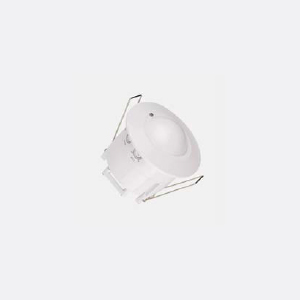
X1094
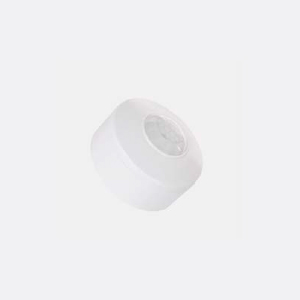
X100167
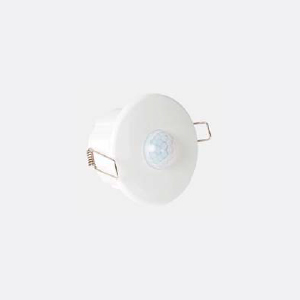
X128106
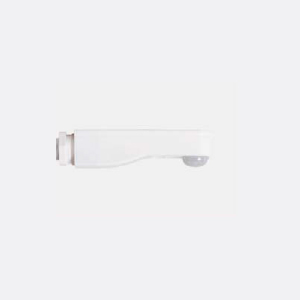
X126556
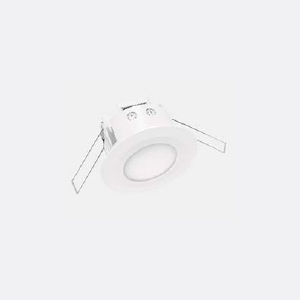
X100268
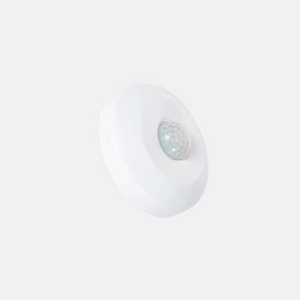
X100305
Specifications
| X1094 | X100167 | X128106 | X126556 | X100268 | X100305 | |
|---|---|---|---|---|---|---|
| SENSOR WIRELESS | - | - | - | - | - | - |
| WIRED SENSOR | ✓ | ✓ | ✓ | ✓ | ✓ | ✓ |
| BLE 4.0 | - | - | - | - | - | - |
| CASAMBI | - | - | - | - | - | - |
| DALI2 | - | - | ✓ | - | - | - |
| DAYLIGHT | - | - | ✓ | ✓ | - | - |
| TECHNOLOGY | Microwave (5,8 Ghz) 360º | PIR 360º | PIR 100º (SELF-SUFFICIENT) | PIR 360º | PIR 360º | PIR 360º |
| INSTALLATION HEIGHT | 1,5 - 3,5m | 1,5 - 3,5m | 1,5 - 5m | 1,5 - 5m | 1,5 - 4m | 1,5 - 3,5m |
| Detection diameter | max. 8m | max. 16m | max. 12m | max. 10m | max. 8m | max. 6m |
| IP | 20 | 20 | 20 | 65 | 65 | 65 |
| ACCESSORIES | - | (including surface installation) | Master Programmer (X168308) | Remote control included | - | - |
| W max | 300W | 2000W | - | 300W | 300W | 100W |
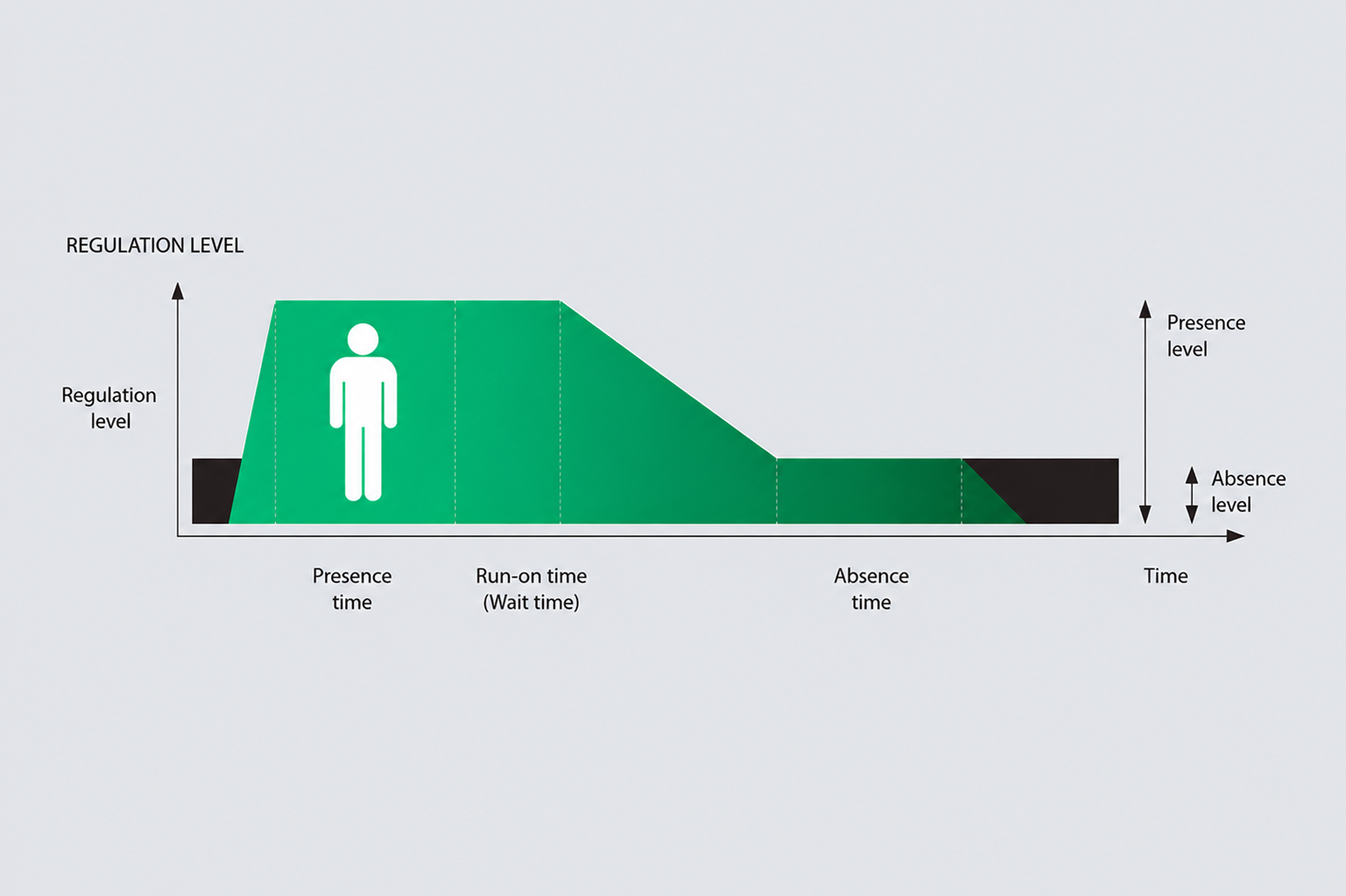
In this graph, we can see the typical behaviour of a sensor, and the parameters that we can adjust using our programmable controller:
INTENSITY LEVELS
- Lighting level: The lighting level to be maintained even when natural light is present.
- Presence level: Light level when movement is detected.
- Absence threshold: We can set a minimum threshold for the installation if we do not want the lights to switch off completely.
It continuously measures the amount of ambient light and adjusts the intensity of the artificial lighting to maintain a constant level of illumination. This maximises energy savings by making the most of natural light.
DETECTION TIMES
- Dwell time: The length of time the system remains switched on after detecting movement.
- Waiting time: Also known as a grace period, this is a period of time that we can set from the moment movement is no longer detected.
- Absence time: The length of time for which we can set the absence level before the lights switch off. This time can be set to an indefinite duration if we wish.